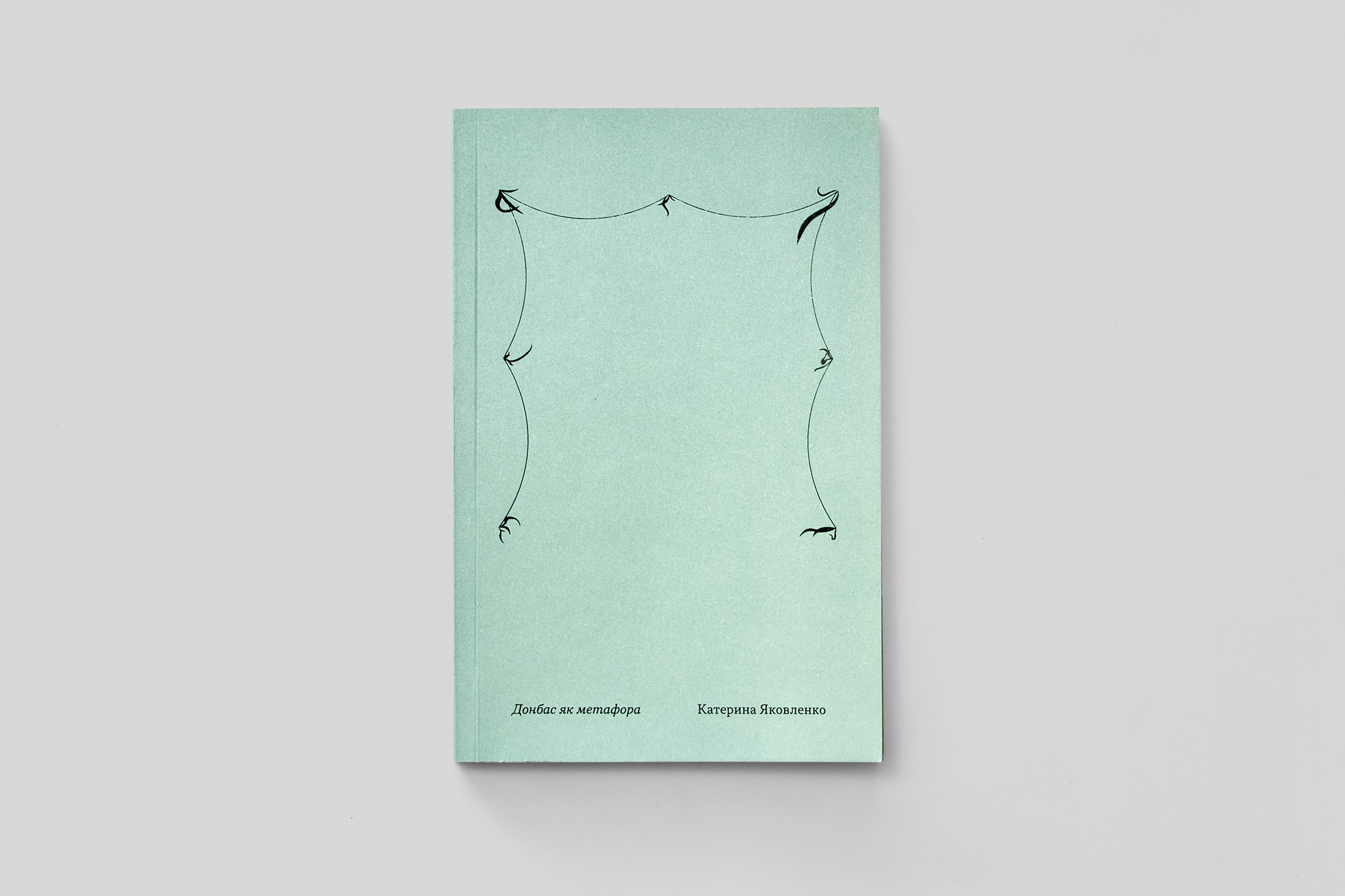
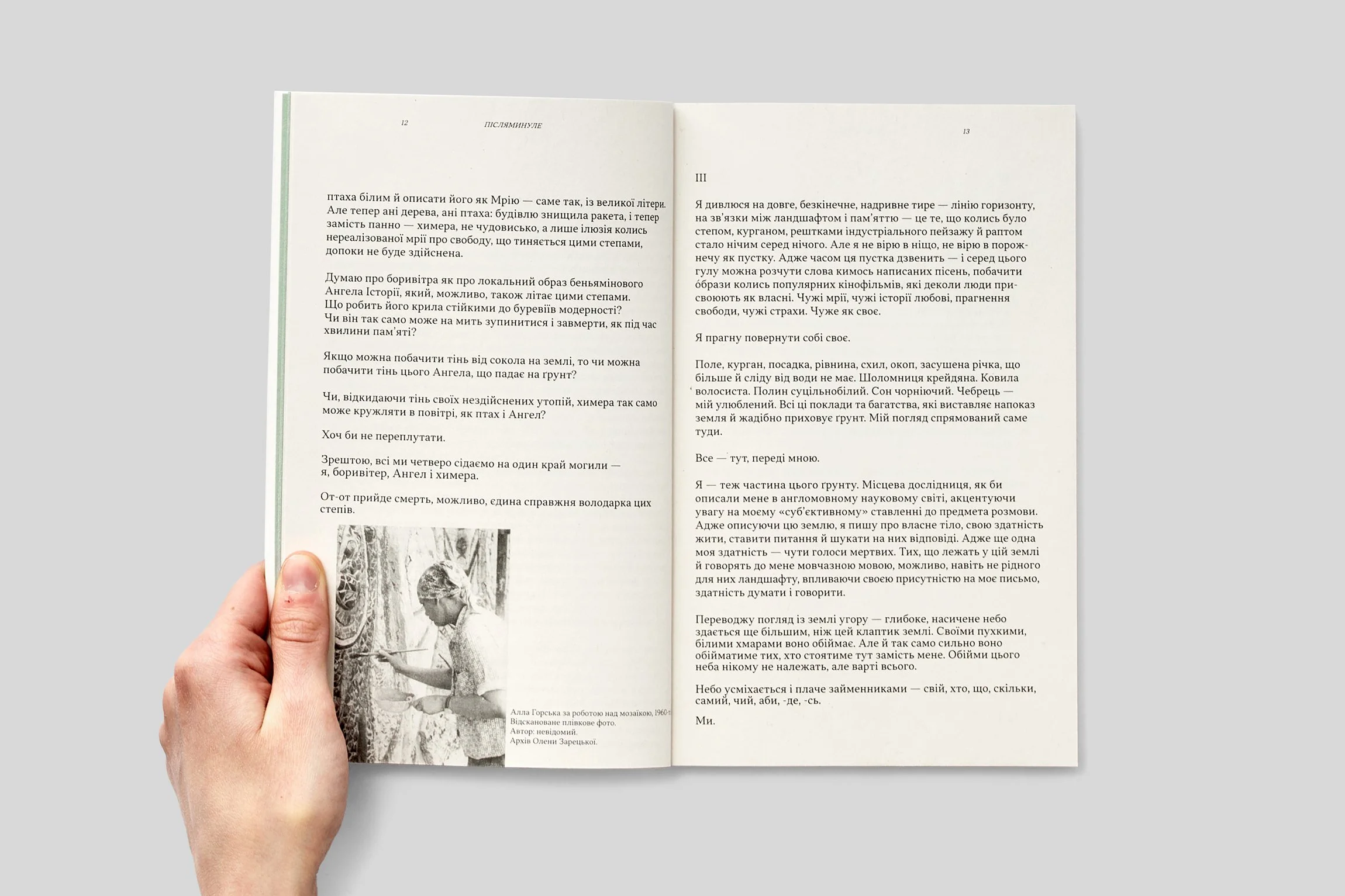
In her new book, writer and visual culture researcher Kateryna Iakovlenko explores films, works of art, literature, and images that unfold the metaphor of Donbas—a place that no longer exists in the form we once knew, yet remains inhabited by names, birds, plants, and the ghosts of past and present events. The Donbas that emerges through her writing is the landscape of the Donetsk and Luhansk regions, shaped by layered histories and languages that can sometimes still be heard or reconstructed, but are often accessible only through traces of events and experiences that have disappeared or were always difficult to reach.
Archives, artefacts, myths, soil and wind, the steppe, burial mounds, and what remains of them all become the building blocks of Iakovlenko’s distinctive vision of eastern Ukraine. Drawing on conversations with artists, writers, historians, and local voices, as well as on archival sources and the silences between them, she creates a narrative in which scholarly inquiry moves alongside literary writing. The book follows its own rhythm, remaining attentive to absences, discontinuities, and the spaces where knowledge resists completion.
“To prevent distance from growing even greater; to find words and images through which one can speak—not without pain, perhaps, but with dignity and care; to keep both the land and its people from disappearing into oblivion. Kateryna Iakovlenko undertakes this difficult task. She does so by moving through personal experience, by asking honest questions that still have no answers, and by engaging with the perspectives of others—often visual, sometimes unfamiliar, yet equally committed to confronting the region with integrity.”
— Olena Stiazhkina, historian and writer
“Born in Donbas, Kateryna Iakovlenko has written a beautiful, subtle, and profound reflection on one of Ukraine's most historically and politically complex regions. Donbas itself becomes a metaphor for the entanglements of Ukrainian history, culture, and politics. Through deeply personal and sensitive reflections, she reveals a profoundly human Donbas—traumatised yet resilient, nostalgic yet sustained by hope for a peaceful and flourishing future.”
— Hiroaki Kuromiya, historian and Professor Emeritus of History, Indiana University Bloomington
The publication was made possible with the support of INDEX: Institute for Documentation and Exchange, writer and Associate Professor at the School of Culture and Communication at the University of Melbourne Maria Tumarkin, and the family of Victoria Amelina.
Book published in 2026 in Ukrainian by ist publishing.
Translations:
English translation is upcoming by Academic Studies Press
Reviews and Publication About the Book:
Maksym Nestelieev, “Мапа і територія: нонфікшн Катерини Яковленко «Донбас як метафора” [Map and The Territory: Kateryna Iakovlenko's Nonfiction "Donbas as a Metaphor"] in Ukrainslyi Tyzhden’, March 27, 2026
Read also a fragments on The Village Ukraine and ArtsLooker
Донбас як метафора /
Donbas as Metaphor
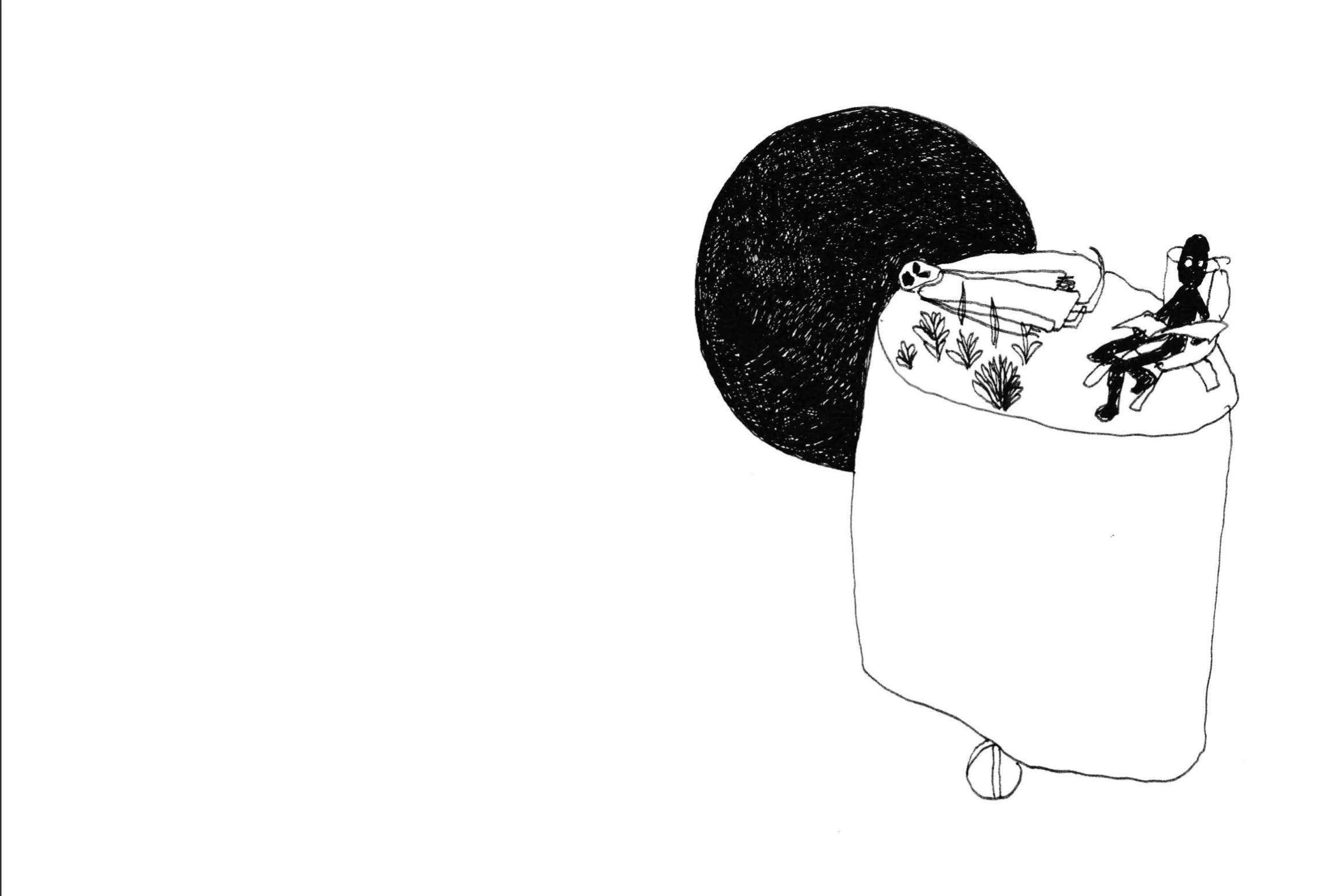
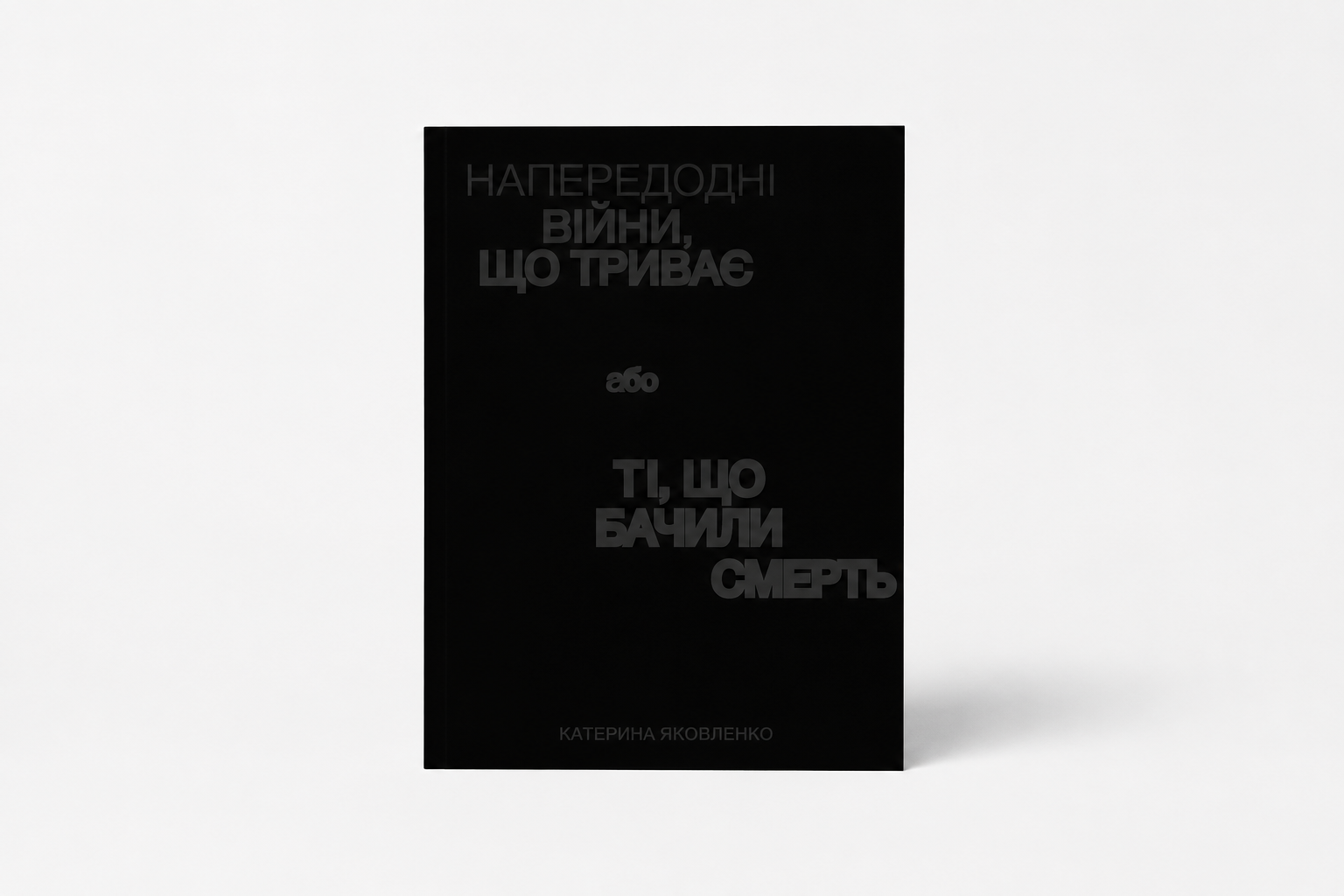
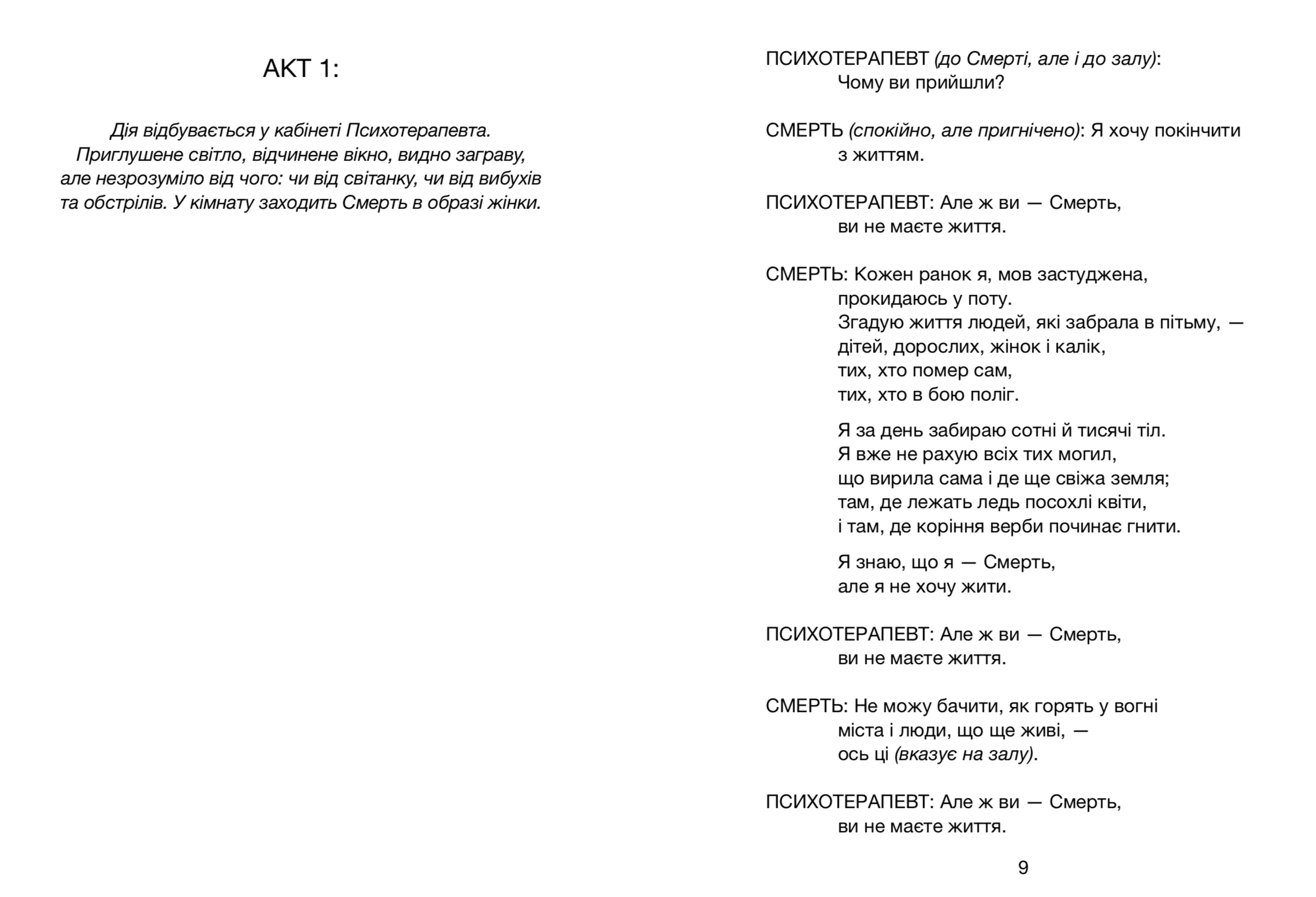
Напередодні війни, що триває, або Ті, що бачили смерть (лібрето) [On the Eve of the Ongoing War, or Those Who Saw Death (libretto)]
A text by Kateryna Iakovlenko written in the form of a poetic libretto and based on documentary evidence of war—interviews and the author’s own memories. The author creates an allegorical world at the threshold between the real and the metaphysical, in which the central figures, alongside Death, are people who have experienced the loss and death of their loved ones.
The publication includes illustrations by artist Stanislav Turina.
Published in 2025 in Ukrainian by ilostmylibrary.
Performing
Performed by Kateryna Iakovlenko (Death), Pavlo Yurov (Psychotherapist) and Yaroslav Futymskyi (sound) on The Theatre of Playwrights (Kyiv), January 2025. Watch on YouTube
Кураторський посібник [Curatorial Handbook]
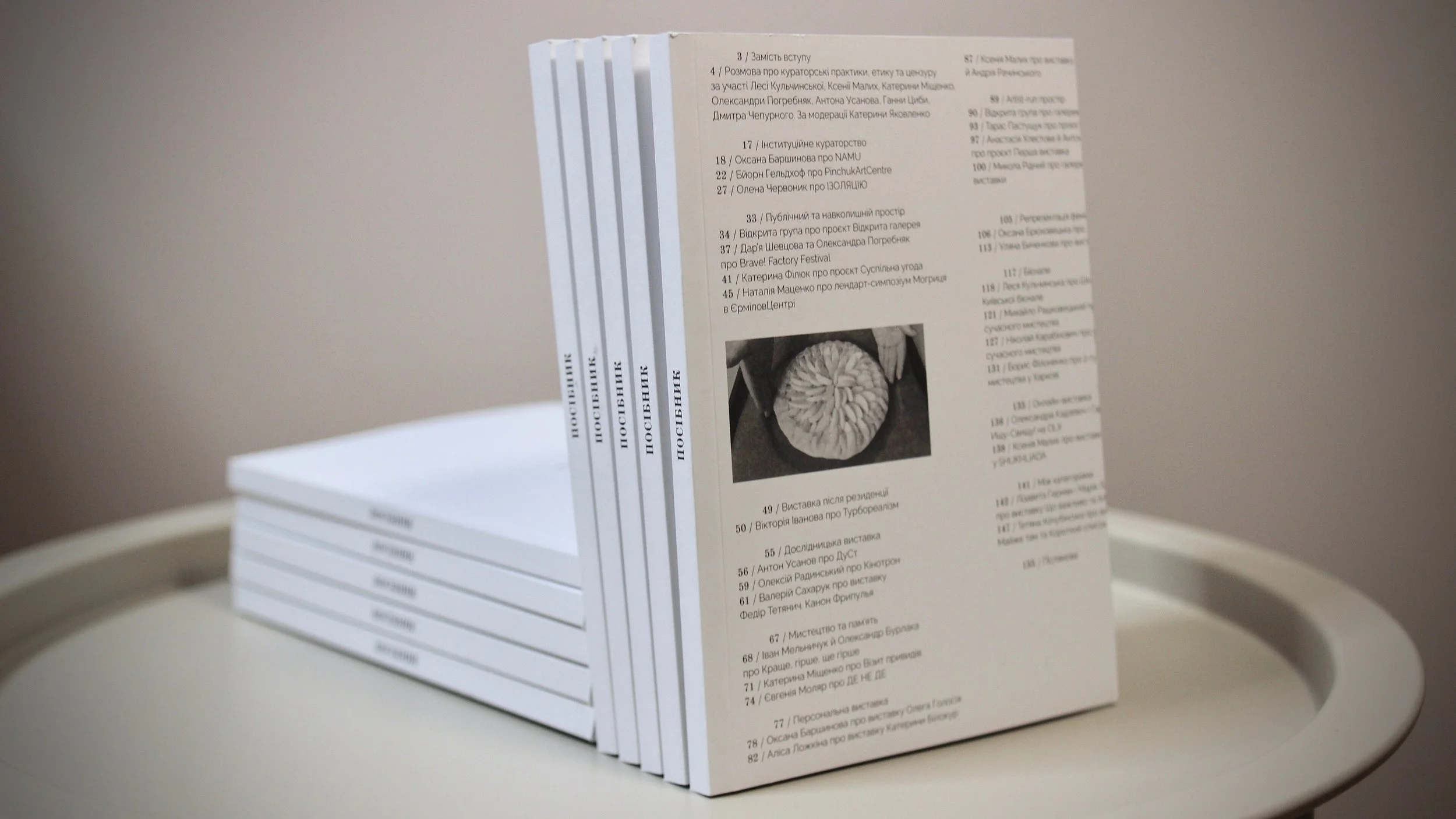
This collection of interviews addresses curatorial work within contemporary art in Ukraine. Curators reflect on how to create with art across different spaces and conditions—ranging from a kitchen wall to major museum collections that span works from antiquity to the present day.
The publication was published in Ukrainian and edited by Oleksandra Pohrebniak, Dmytro Chepurnyi, and Kateryna Iakovlenko in 2020.
The book on practices of representing contemporary art in Ukraine was published in collaboration with the IZOLYATSIA Foundation, with the support of the Ukrainian Cultural Foundation.
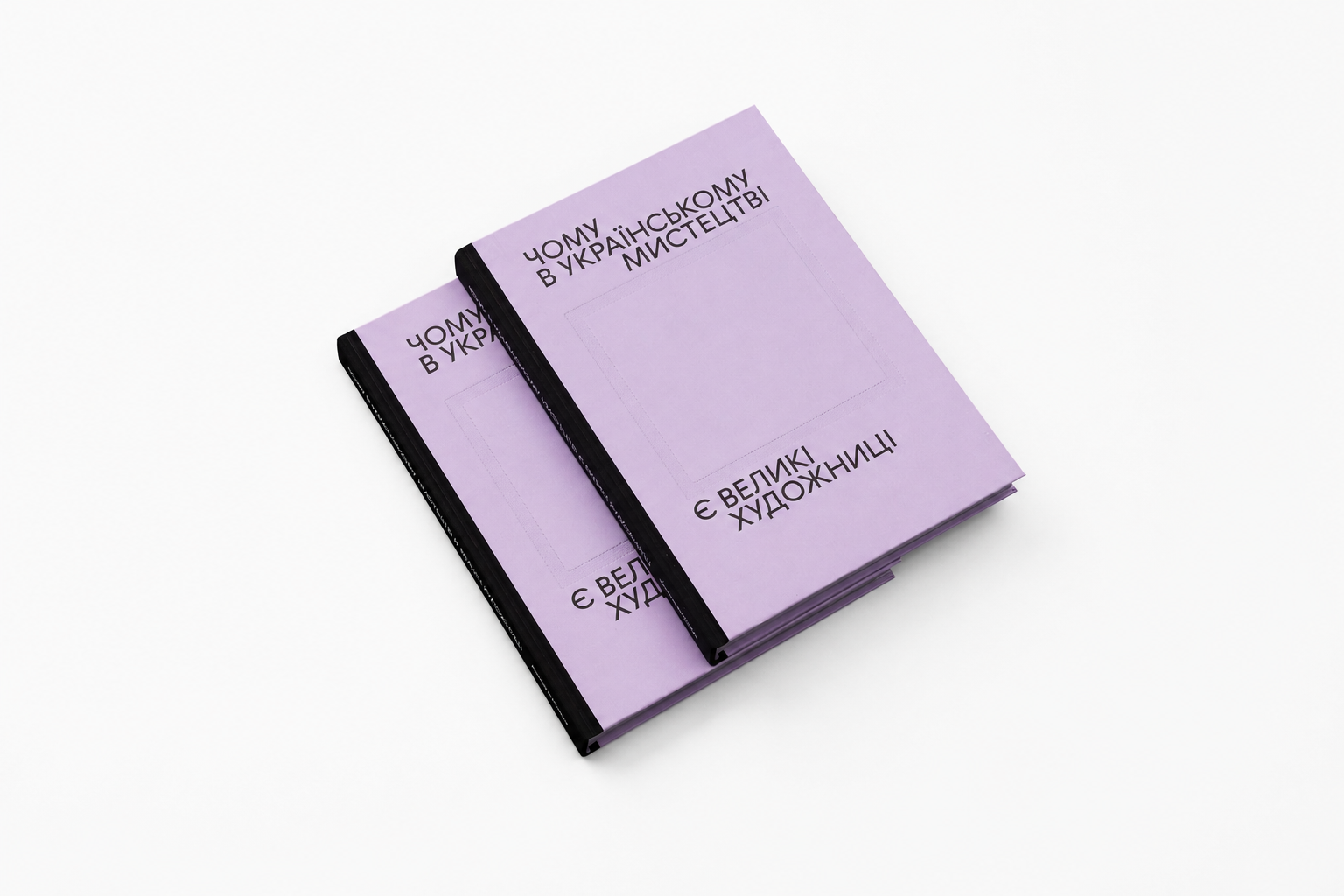
Чому в українському мистецтві є великі художниці
Why Are There Great Women Artists in Ukrainian Art
Dlaczego w Sztuce Ukraińskiej Są Wielkie Artystki
Why There Are Great Women Artists in Ukrainian Art is one of the first attempts to narrate the history of Ukrainian art through a gendered perspective, spanning from the late nineteenth century to artistic practices of the early twenty-first century. This history is composed of hidden pages from the biographies of Ukrainian women artists, where alongside prominent figures one can also encounter names that have been forgotten or remain little known to the wider public.
The book traces how opportunities for artistic practice and professional recognition for women and men have changed over time, how barriers to artistic careers have been overcome, and how understandings of embodied experience have been transformed within artistic production. Of particular value is the collection of archival materials addressing the role and position of women in art.
Recommended for adults only.
Published on the occasion of the exhibition One’s Own Space within the PinchukArtCentre Research Platform.
Editor: Kateryna Iakovlenko
Texts by Lidiia Apollonova, Kateryna Badiianova, Lizaveta German, Halyna Hleba, Olena Hodenko, Tetiana Zhmurko, Tetiana Kochubinska, Kateryna Mishchenko, Vlada Ralko, Valeriia Shyller, and Kateryna Iakovlenko
Download the book in Ukrainian.
Download the book in English.
The Polish translation was produced by the Katarzyna Kozyra Foundation. Tłumaczenie z ukraińskiego: Anna Łazar, Katarzyna Kotyńska, Joanna Majewska; z angielskiego Iwona Łabuz. Redakcja: Anna Łazar